Scale your release engine without scaling headcount
Product Ops runs the machine that turns roadmap items into shipped features and shipped features into aligned GTM moments. LaunchNotes is the operating system for that machine.
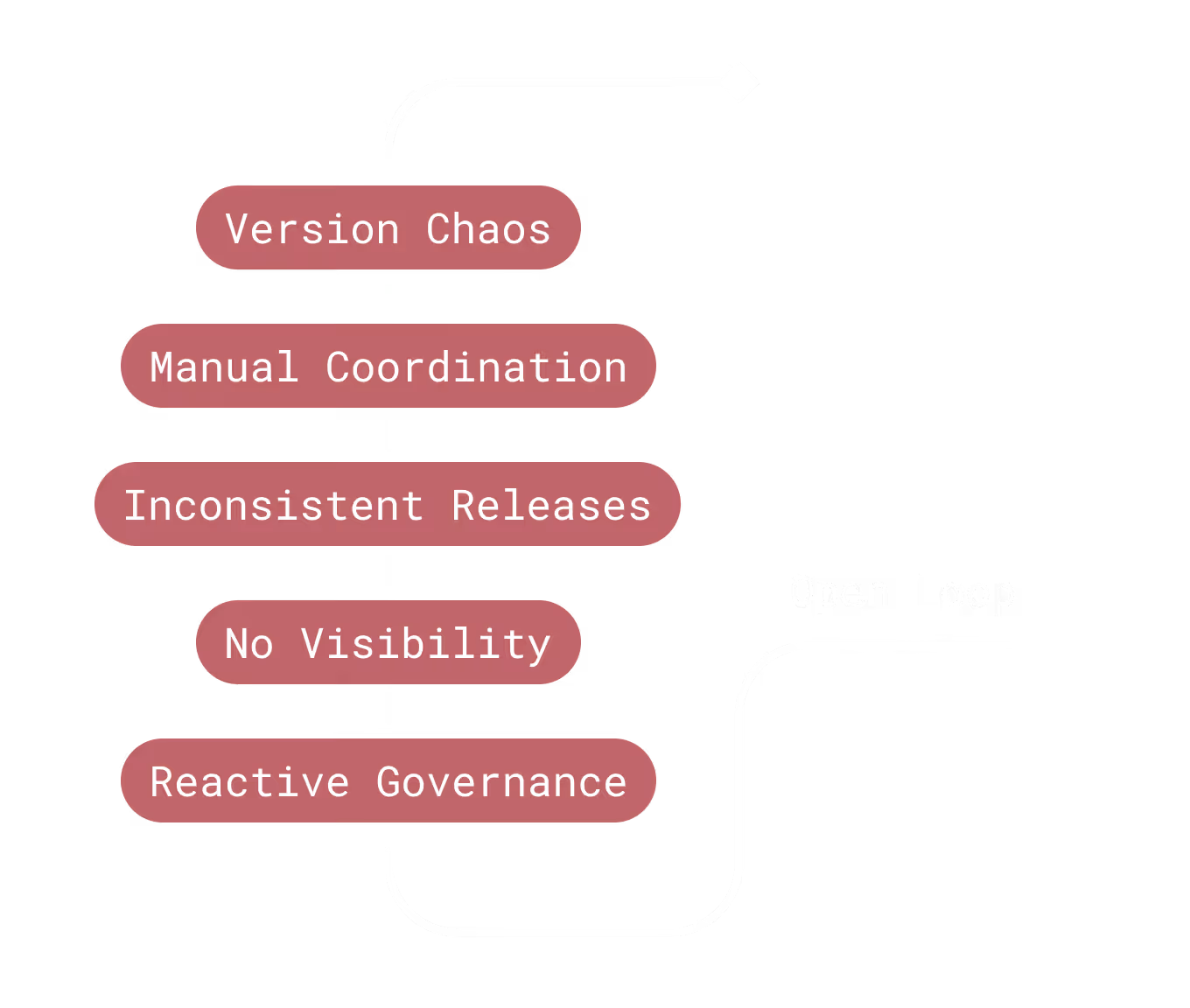
Does this look familiar?
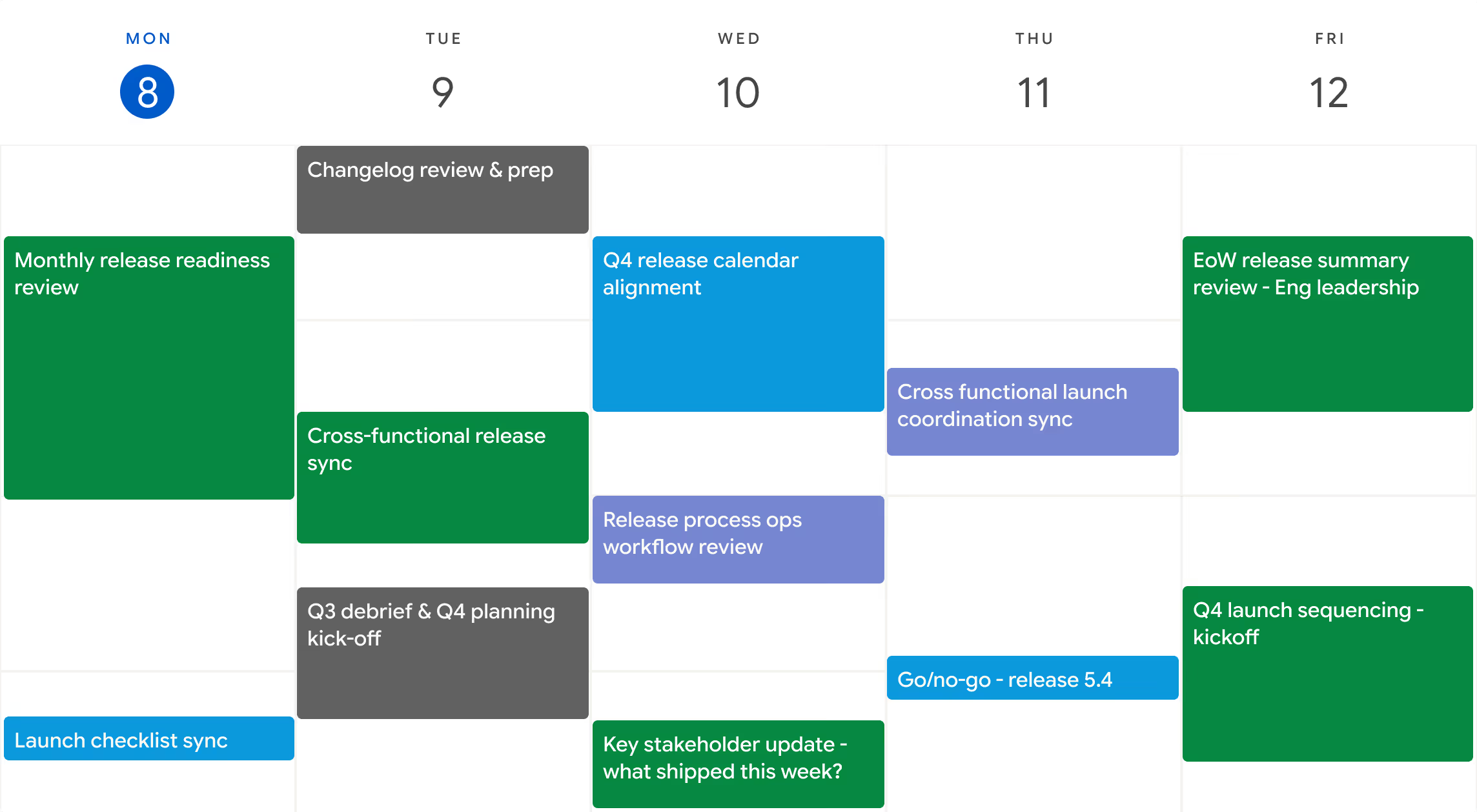

Build the process once. Let it run.
Every meeting on the calendar is a coordination task that hasn't been automated. The process isn't scaling — it's just surviving.
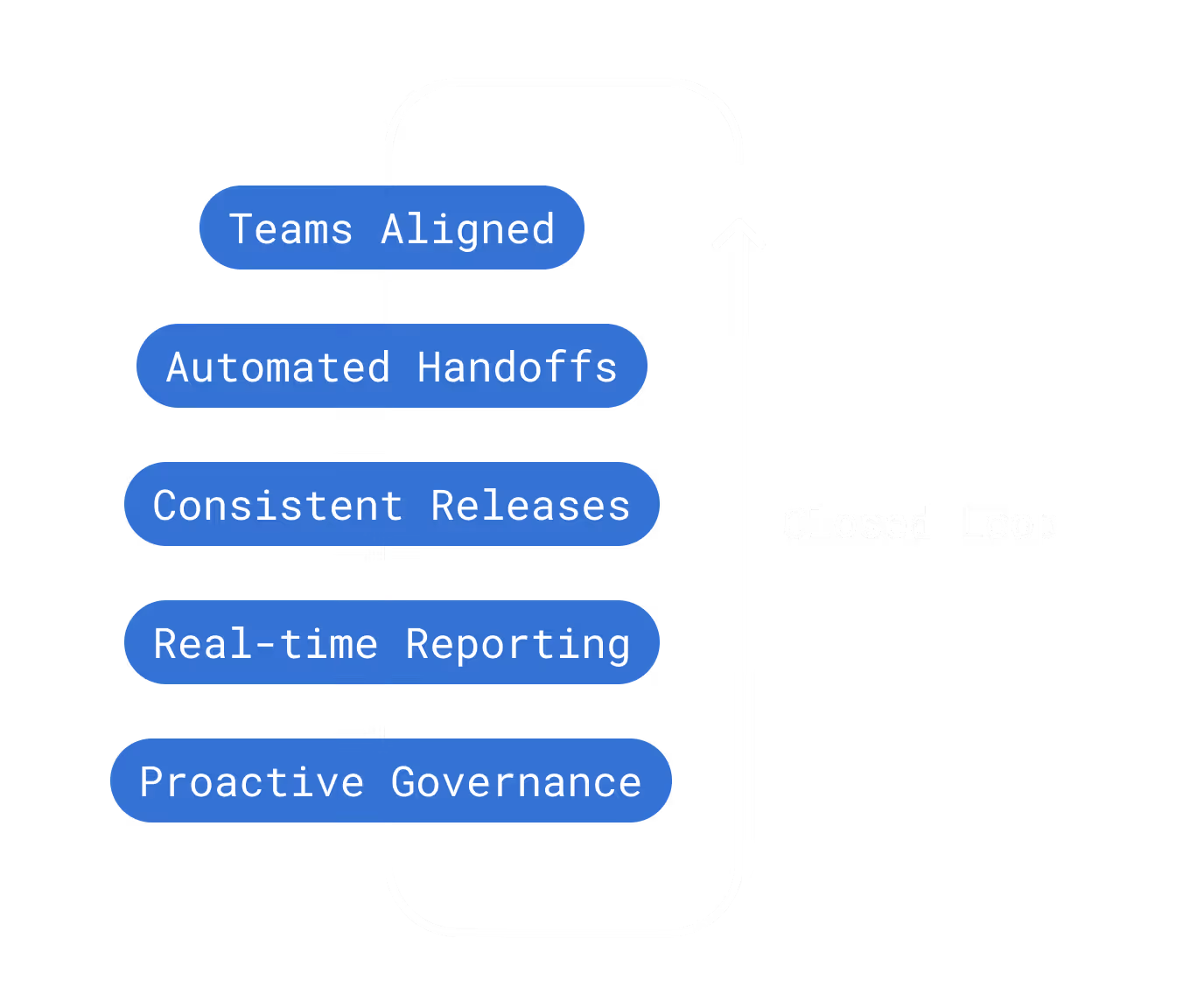
One platform to plan, coordinate, and track

- 01
Establish the process — once
Set up templates, publishing workflows, and permissions across every product line. Define the release process once. Enforce it everywhere.
- 02
Keep every team on the same roadmap
One live roadmap with role-based views. Product, Sales, CS, and Marketing each see what they need — nothing more, nothing less.
- 03
Automate the coordination layer
Stage-change notifications, and roadmap reports fire automatically as work moves through development stages.
- 04
Govern without becoming a bottleneck
Publishing permissions let you build approval workflows that increase speed and quality of your product communications.
- 05
Report on what actually shipped
Subscriber analytics, engagement data, and feedback trends — in dashboards built for the people who need to prove impact.
Product Ops doesn't just coordinate work — they create the conditions for every team to succeed.
Customizable announcement templates
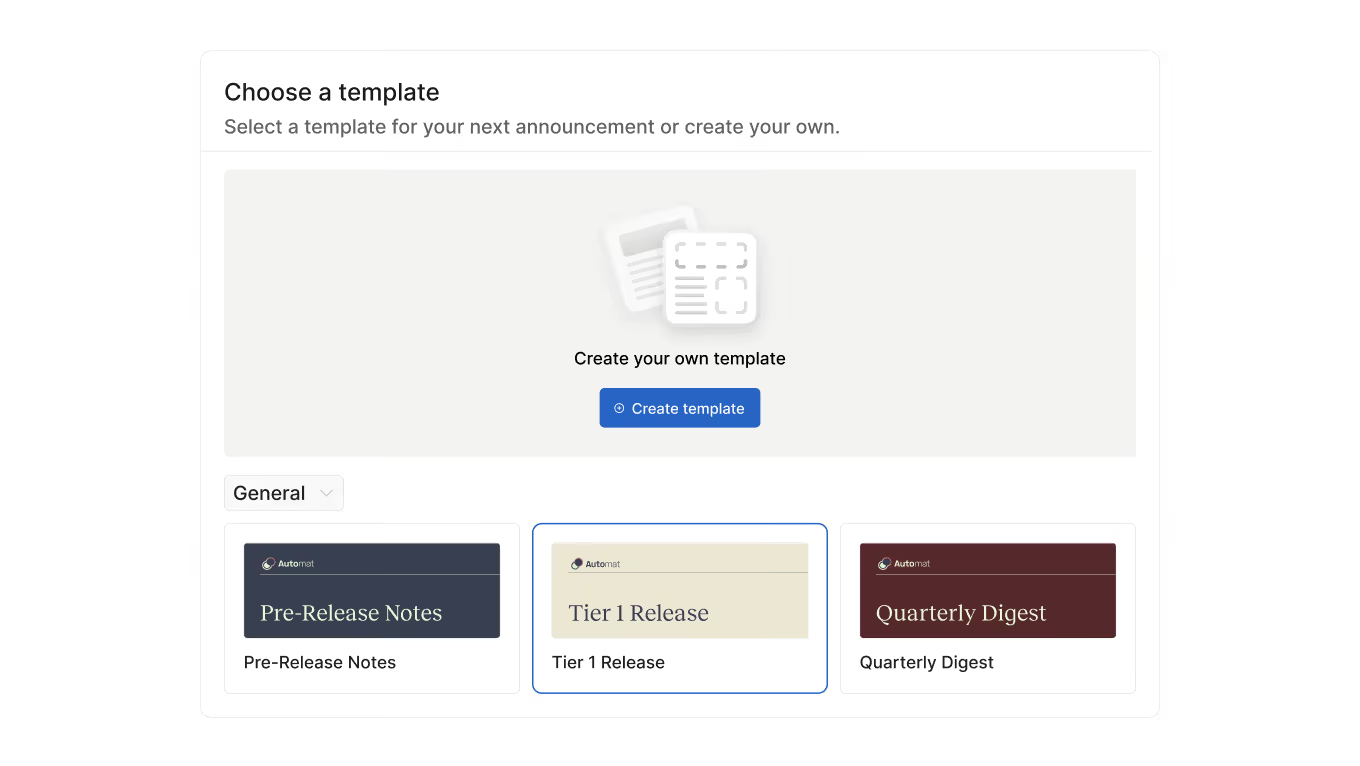
Prebuilt library plus custom options. Every team, every product line, consistent output. No rogue formatting, no "what do I write here?"
Roadmap notifications
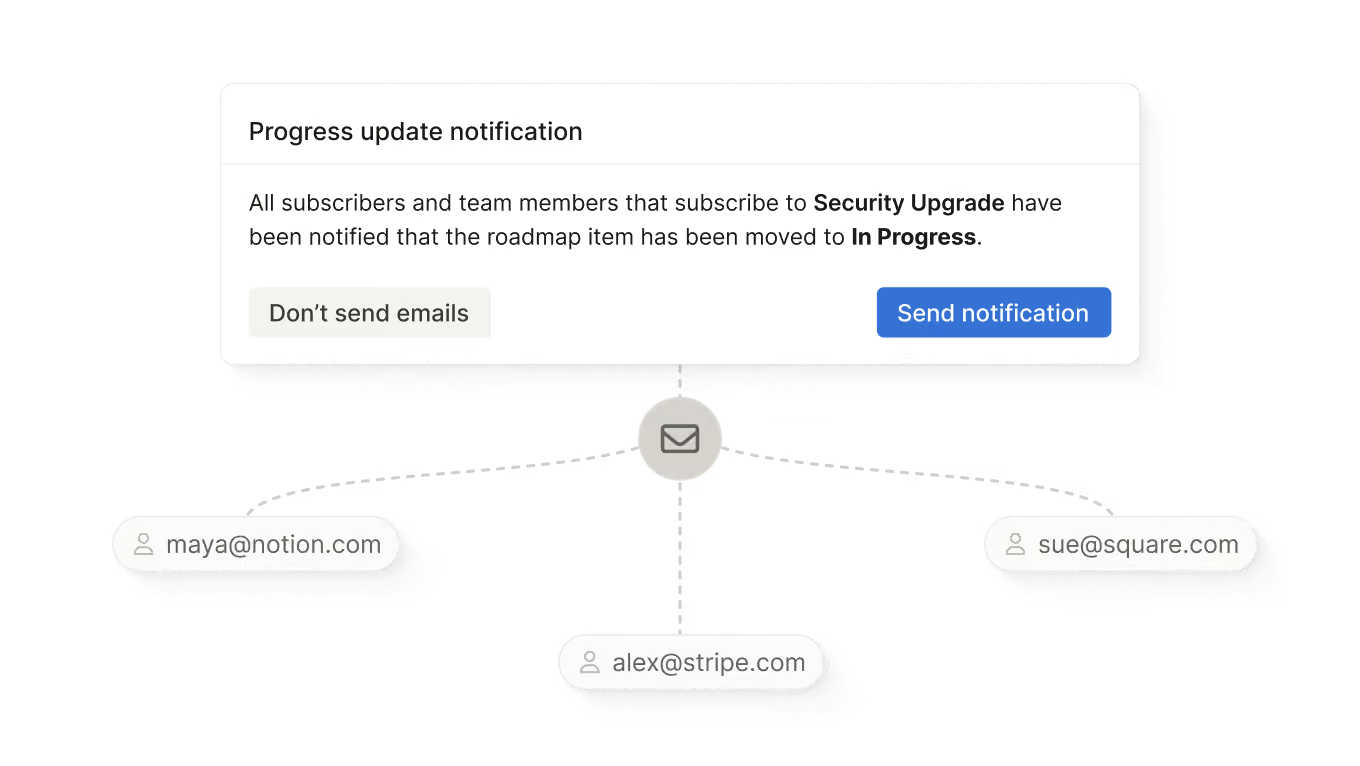
When a roadmap item moves, the right people find out automatically — internal teams, customers, or both.
Publishing permissions
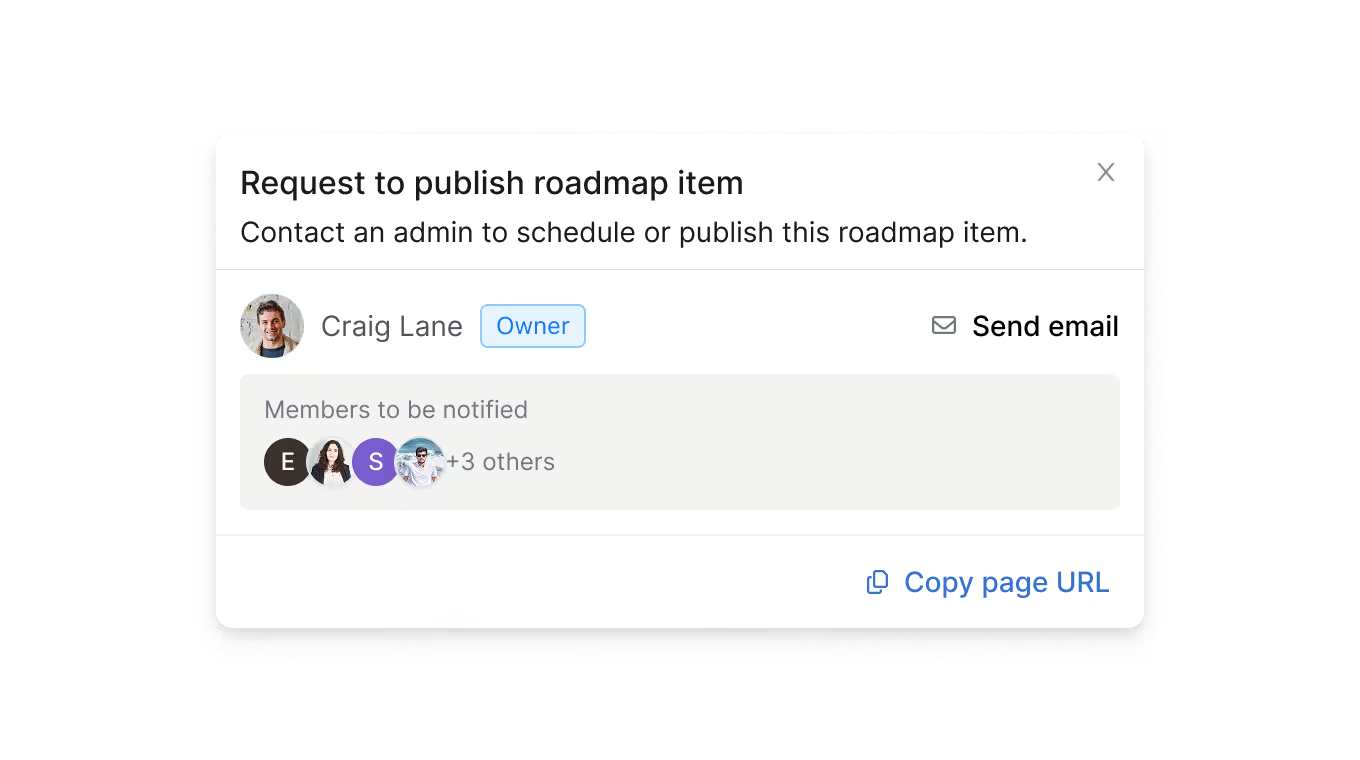
Govern who can publish what, to whom, and when. Enterprise-grade control without the enterprise-grade friction.
Roadmap reports
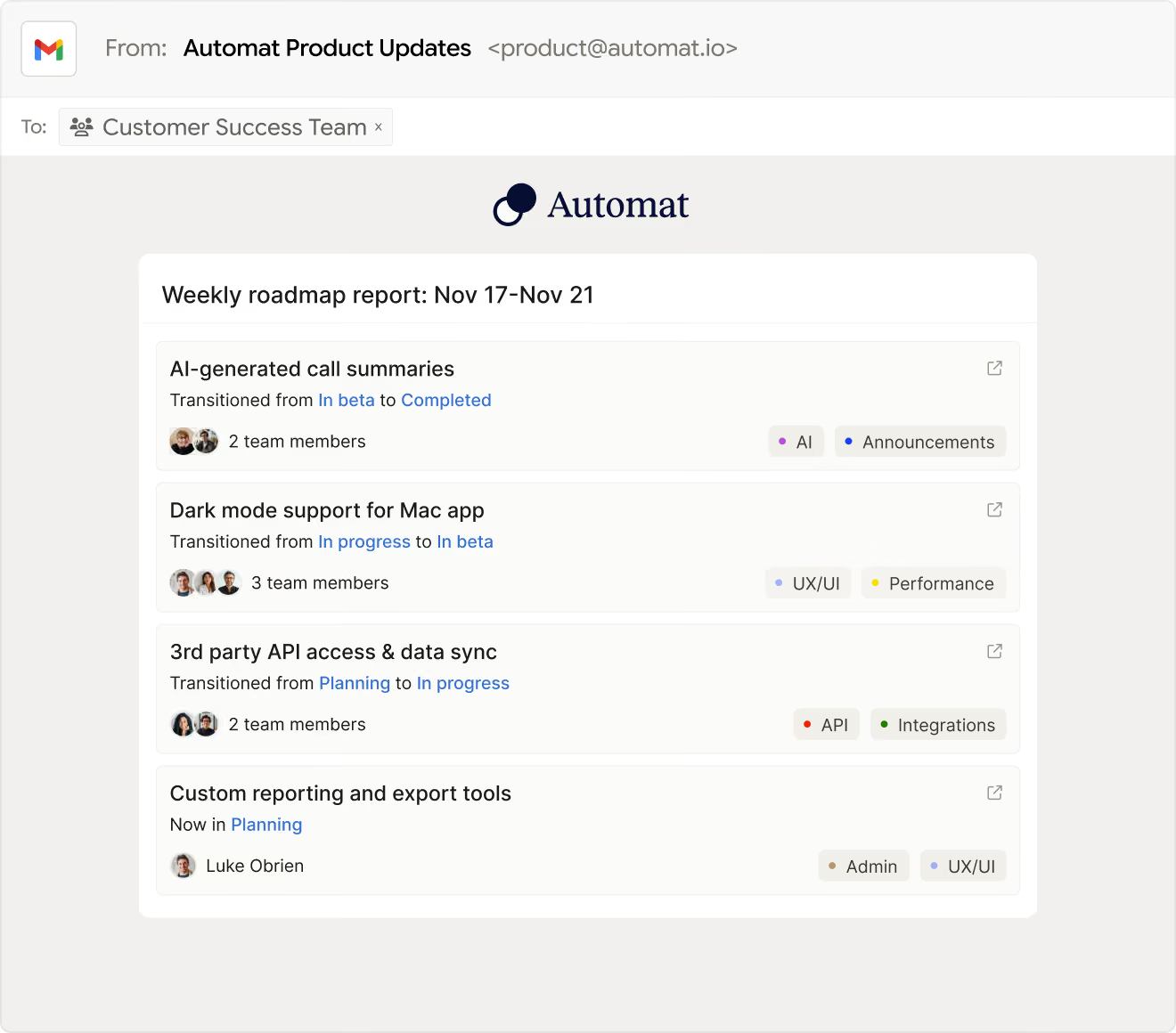
Automated, customizable email digests by product area, team, or date. The status-update meeting you can cancel.
“LaunchNotes is how we standardized release readiness at scale. Sales, support and dealers now walk into every conversation prepared.”

The best Ops teams don't just run the process — they improve it.
Feedback analysis
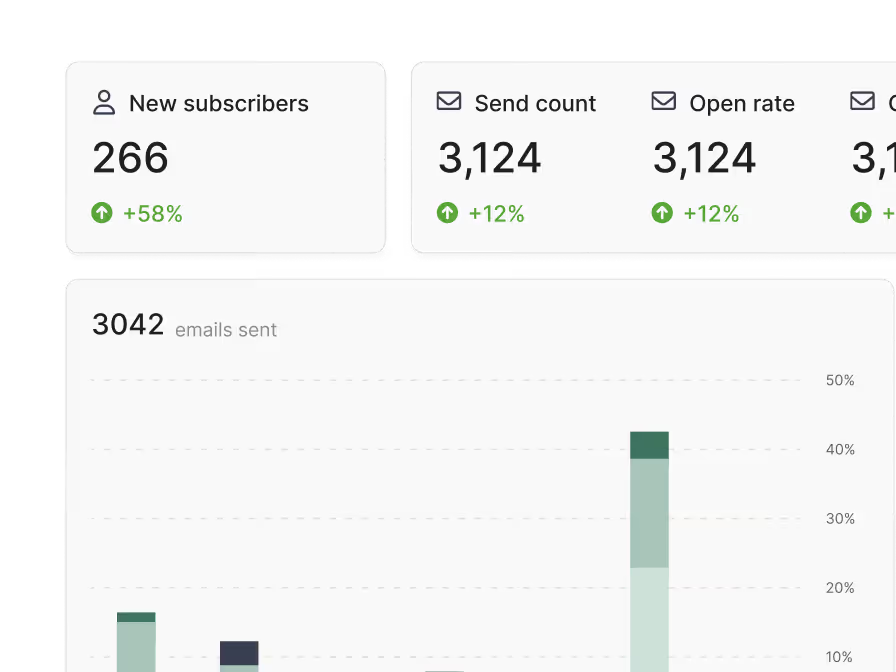
Surface themes, track volume, and identify the requests that keep showing up.
Subscriber snapshots
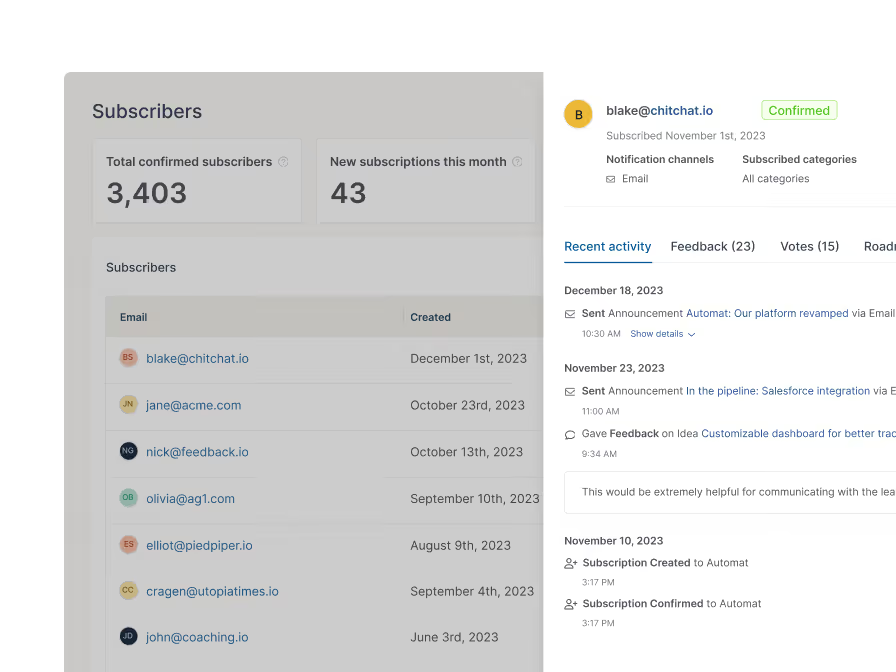
A full picture of any subscriber — their feedback history, engagement with announcements, roadmap subscriptions, and sentiment.
Idea management
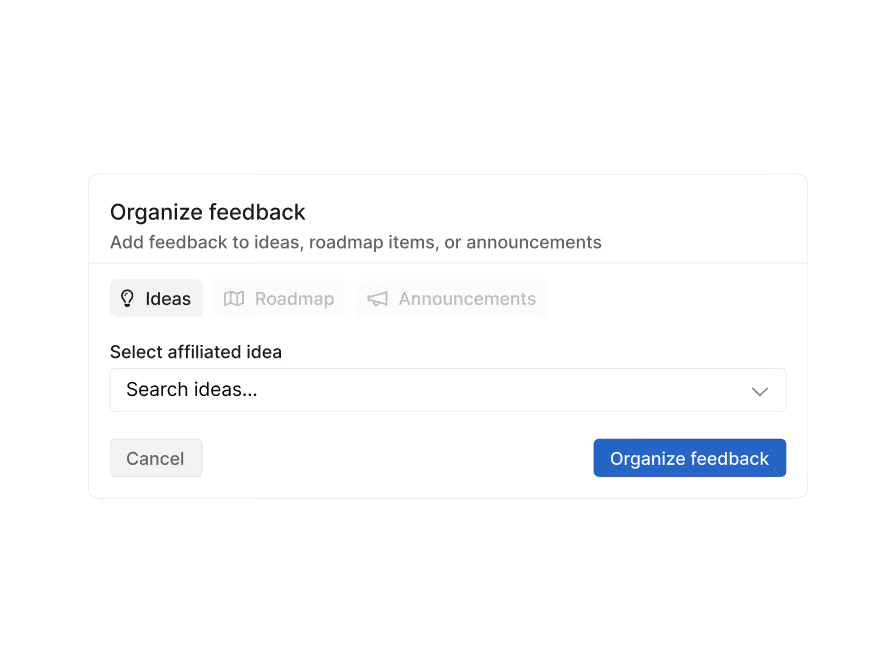
Cluster related feedback into structured ideas. Move ideas to the roadmap when they're ready, and notify subscribers when they ship.
More resources for Product Operations teams
Product Operations vs Product Manager: Where Each Role Fits in

How to Build a High-Performance Product Operations Team
Who Writes Release Notes: A Comprehensive Guide
See how the best teams communicate their releases.
Product Manager, Product Marketer, Customer Success leader, or Product Ops professional? We have a use case built for your team.
Product Marketing
Product Management
Customer success
Frequently asked questions
Absolutely. LaunchNotes automatically turns your updates into a searchable changelog that serves as a permanent record of your product's growth. It's a resource both new employees and long-term customers rely on to understand how you got here.
For Product Ops, that archive provides a reliable trail for audits and historical reviews of your release process. Customers can search it to find specific fixes or improvements, which cuts down on support tickets by giving them a self-service answer.
A clean, organized history of your product's evolution also signals maturity, and it builds trust with enterprise clients and stakeholders.
Friction between what was built and what was promised comes from teams working off different information. LaunchNotes integrates with Jira and GitHub to pull technical data into a shared workspace, so nothing gets lost in translation.
Product Ops can review these technical milestones and translate them into a customer-friendly roadmap, keeping engineering reality and the external narrative in sync.
Giving everyone, from developers to product marketers, a shared view of the release lifecycle reduces the us-versus-them mentality and builds a culture of shared accountability.
Yes. LaunchNotes provides several release notes templates built around release notes best practices, so your team doesn't start from a blank page every time.
These templates help structure announcements around user benefits instead of technical jargon. With a fill-in-the-blank framework, even your most technical engineers can contribute to a strong feature announcement.
The result is more consistent, readable updates, and product update emails that look professional every time, which keeps customers engaged and informed.
Gathering real-time feedback is a core part of the job. LaunchNotes includes a built-in feedback tool that lets users react to and comment on every update, giving your product team a read on how a launch is landing right away.
Instead of waiting weeks for a survey, you can iterate in days based on actual user sentiment. That feedback loop helps you catch issues early and understand what's driving adoption.
Making feedback part of your everyday release process builds a more user-centric culture and, over time, a better product.
Yes, the platform is built for teams managing several distinct products under one roof. Product Ops can create separate categories and streams for each product, so update notifications only reach the subscribers they're relevant to.
That keeps notification fatigue down and keeps your communications targeted. You can also view the health of your entire portfolio from a single dashboard, making it easy to see which teams are shipping on time and which need support.
It's built for organizations that have outgrown simple, single-product changelog tools.
Security is non-negotiable for any enterprise product organization. LaunchNotes is SOC 2 Type II compliant and encrypts your data, and Product Ops can manage granular publishing permissions so only authorized users can push updates live.
That level of governance is one reason teams choose us over alternatives like Beamer when security protocols are strict. Whether you're managing an internal roadmap or a public one, you stay in control of who sees what.
The result: release workflows that are secure, compliant, and ready for a third-party audit whenever one comes up.
Keeping internal teams in the loop shouldn't require a full-time job. LaunchNotes lets Product Ops trigger automated internal alerts, via Slack or email, whenever a launch reaches a specific stage.
That means sales and support are never surprised by a new feature. Give internal teams a heads-up with specific talk tracks, and you get a more cohesive launch plan.
That proactive alignment prevents customer confusion and makes sure your go-to-market teams have accurate information when it matters, for a smoother release overall.
Product Ops is often asked to prove ROI, and LaunchNotes gives you the data to do it. Link your announcement data directly to user engagement and sentiment to see which updates drive the most traffic and the strongest reactions.
You can even connect those insights to revenue data to see how specific launches affect your highest-value accounts.
That data-driven view turns your release process from a cost center into a measurable driver of adoption, growth, and customer satisfaction.
Tool sprawl is a common headache for product teams. LaunchNotes consolidates feedback, roadmapping, and announcements into a single, SOC 2 Type II-compliant hub, so your team isn't jumping between five different apps.
Having everything in one place also makes writing release notes faster, since the context you need is already there.
Fewer tools means lower costs and a simpler onboarding process for new hires, so your product team can stay focused on strategy instead of tool maintenance.
For a growing product organization, consistency is what lets you scale. LaunchNotes helps Product Ops build a repeatable release process that works across multiple product lines, using standardized templates and centralized publishing workflows so every update meets your brand's quality bar.
This kind of governed approach eliminates the chaos of disjointed emails and Slack pings, replacing it with clear permissions and approval loops that keep teams aligned.
Professionalizing your release management frees up product managers to focus on core work, while Ops makes sure the engine runs smoothly.


